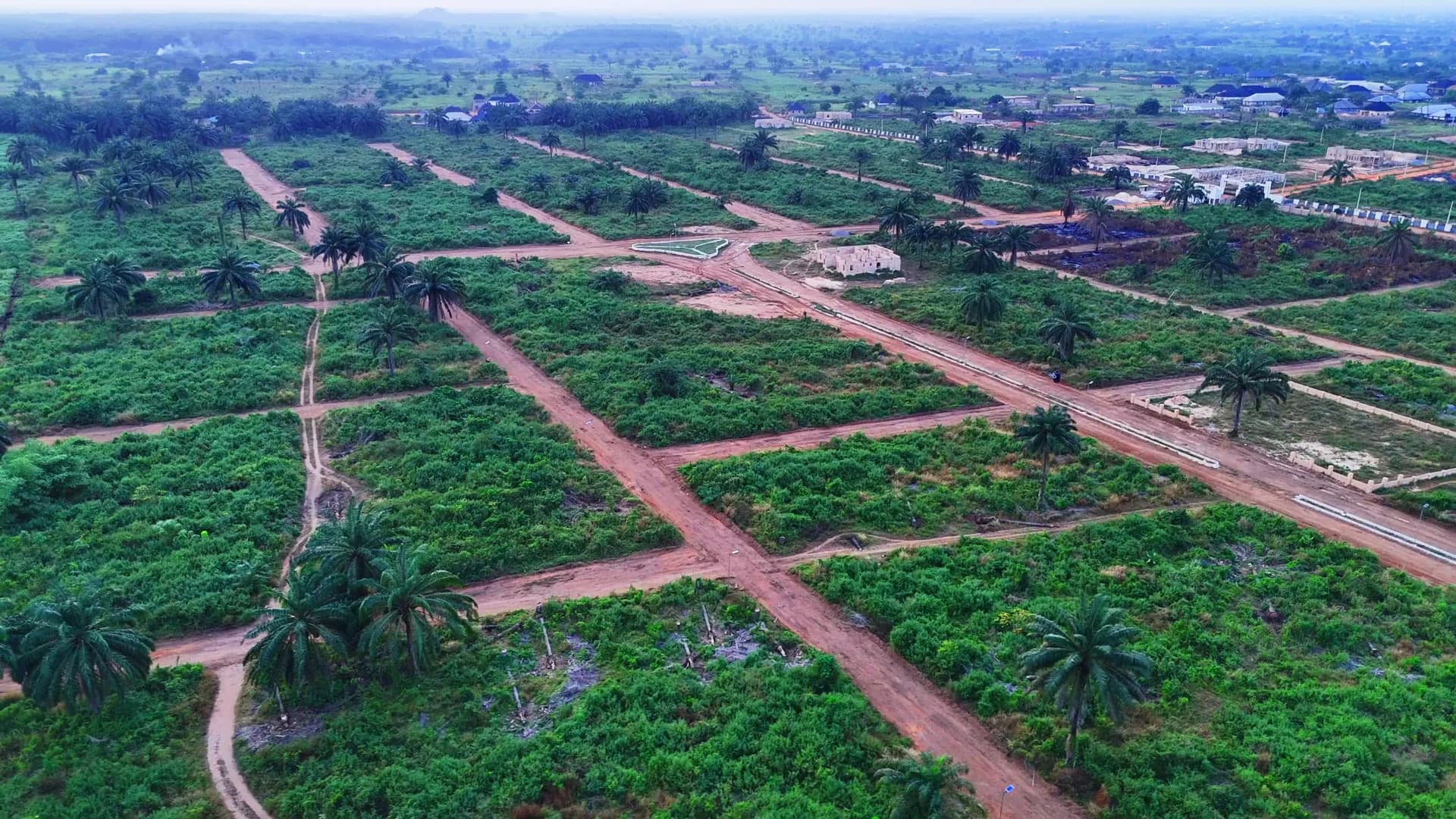
Estate Inspection Checklist for Property Buyers in Nigeria
UGHORON Editorial
2026-08-12T00:00:00.000+00:00
What to inspect, photograph, verify and ask before reserving land or an off-plan home in a Nigerian estate.
An estate inspection gives a buyer the chance to compare marketing claims with the physical site. Bring a phone, notebook and copies of the property information you received before the visit.
Before the inspection
- Confirm the meeting point and the identity of the representative.
- Request the estate name, location, plot type and current written price.
- Ask what documents and layout information can be reviewed.
- Invite an independent adviser when appropriate.
At the site
- Record the route, access road and approximate journey time.
- Observe drainage, terrain, neighbouring uses and visible development.
- Ask to identify the estate boundary and the section containing the offered plot.
- Distinguish completed infrastructure from work in progress and proposed facilities.
- Photograph important reference points with permission.
After the inspection
Write down unanswered questions while the visit is fresh. Match the inspected property to the documents, obtain the complete payment schedule and ask an independent lawyer and surveyor to verify the transaction before payment.
Red flags that require more investigation
Pause when the plot cannot be identified, the seller resists independent verification, payment is demanded before written terms are supplied, material charges are omitted or promotional promises conflict with the contract.
Expanded buyer notes
Use a repeatable inspection record
Record date, weather, route, representative, map pin, plot or unit reference and questions. Take wide context images before close-ups. For a building, add room-by-room notes, utilities, cracking, moisture and external works. Let qualified professionals interpret technical concerns.
Verify after the sales tour
Ask for the documents, layout, specification and fee schedule mentioned during the visit. Compare them with your notes and highlight conflicts. Send property-specific materials to independent advisers rather than a general brochure.
Inspect again before final commitment
A second visit can reveal changed access, water conditions or explanations. It also lets you identify the exact property without the excitement and time pressure of the first tour.